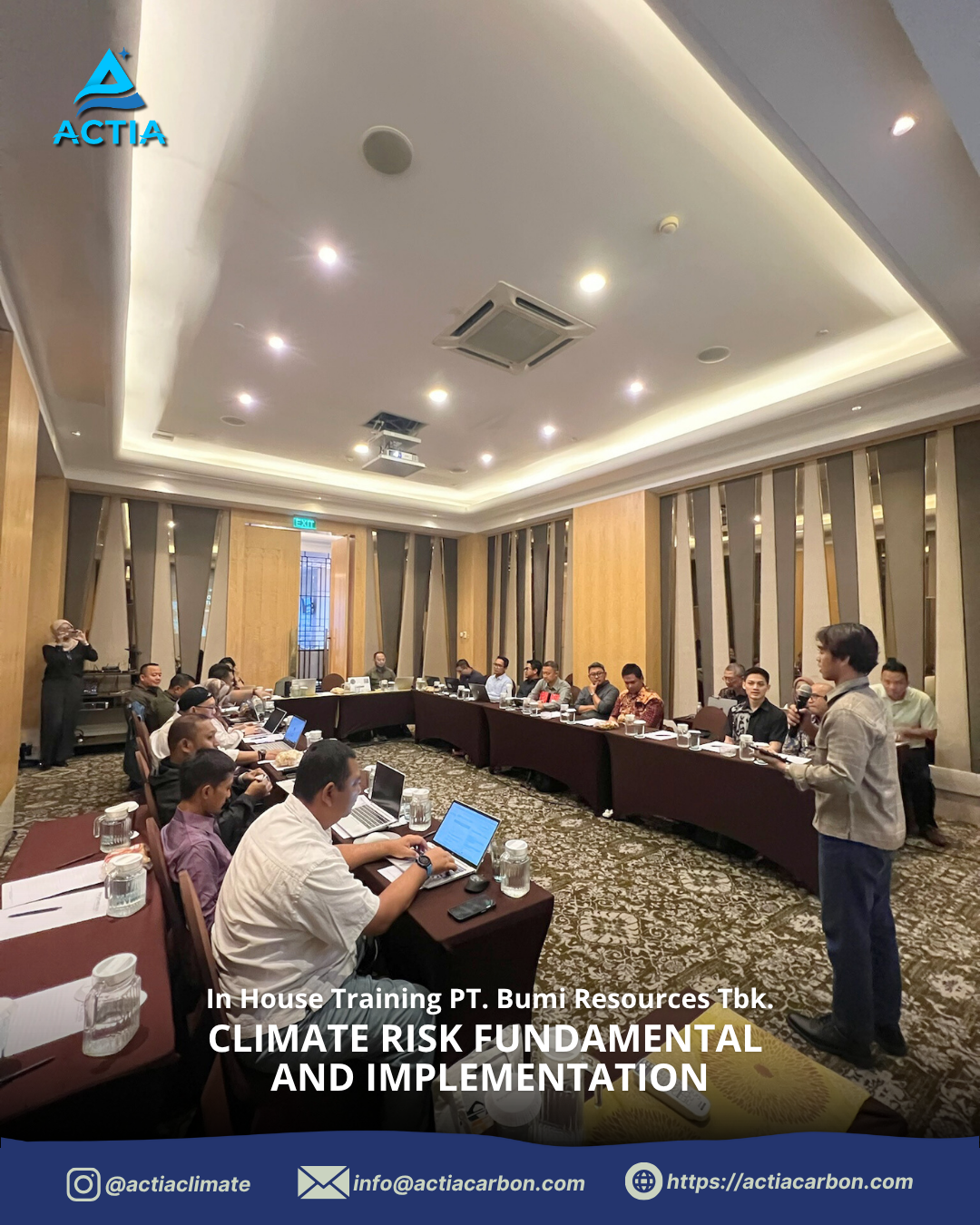
Climate Risk Training

Strategic Steps Toward a Sustainable Business

Risk Management (1)
Extreme heatwaves, flash floods, prolonged droughts, and rising sea levels are examples of natural phenomena occurring with increasing frequency that have the potential to paralyze business operations. Climate change is also driving shifts in regulations, consumer preferences, and the investment landscape. So, what exactly causes climate change? It is triggered by rising concentrations of greenhouse gases in the atmosphere—primarily carbon dioxide, methane, and nitrous oxide—which trap the sun’s heat and cause global warming. This phenomenon is largely driven by human activities; the burning of fossil fuels, deforestation, and unsustainable agricultural practices are the primary contributors to greenhouse gas emissions.
Does climate change impact business?
The answer is yes, and the scenarios are varied. Imagine your business premises being flooded, your supply chain disrupted by drought, or product demand falling as consumer preferences shift toward more eco-friendly products. These are just a few of the potential losses that could arise. Or, imagine your supply of key raw materials being disrupted by prolonged drought in production regions. Or, consider increasingly strict government regulations on carbon emissions forcing you to alter your operations. This is the reality facing many businesses around the world.
Risk Management
Climate risk refers to the potential negative impacts of climate change on your business’s assets, operations, and sustainability. Understanding and managing climate risk is not merely an option but a necessity for companies aiming to survive and thrive in these challenging times. The climate risk training program organized by Actia is designed to equip you with the knowledge and practical skills needed to address the challenges posed by climate change. We will guide you in identifying, measuring, and managing climate risk, while also helping you spot business opportunities that arise during the transition to a low-carbon economy.

2 Types Climate Risks

Climate Risk atau risiko yang muncul akibat perubahan iklim, dan berpotensi dapat memengaruhi operasional, keuangan, reputasi, serta keberlanjutan perusahaan. Risiko ini dapat dikategorikan menjadi dua jenis utama:

Risks arising from the direct impacts of climate change, such as:
  • Extreme Weather Events: Increased frequency and intensity of extreme weather events—such as floods, droughts, storms, heatwaves, and wildfires—can disrupt company operations, damage infrastructure, interrupt supply chains, and cause financial losses.
  • Long-term Climate Change: Long-term climate changes—such as sea-level rise, shifts in average temperatures, and altered precipitation patterns—can impact operational locations, resource availability, and market demand.
Risks arising from the transition to a low-carbon economy include:
  • Policy and Regulatory Risks: Governments across various countries are implementing climate-related policies and regulations, such as carbon taxes, emission limits, and energy efficiency standards. Companies unprepared for these regulatory changes may face sanctions and financial losses.
  • Technological Risks: Advancements in low-carbon technology can disrupt the business models of companies reliant on conventional technologies. Companies need to invest in innovation and technological adaptation to remain competitive.
  • Market Segmentation Risks: Shifts in consumer and investor preferences—driven by growing concern for environmental issues—can impact the demand for a company’s products and services. Companies must adapt to changing market demands and offer more sustainable products and services.
  • Reputational Risks: Companies perceived as indifferent to environmental issues risk losing the trust of consumers, investors, and the general public.

How Can Climate Risk Be Managed?

Companies need to take strategic steps to manage climate risk effectively, including:
  1. Understanding Risk Exposure: Conducting an in-depth assessment of how climate change can affect all aspects of the business, ranging from physical assets, operations, and supply chains to markets and customers.
  2. Integrating Climate Risk into Business Strategy: Making climate risk a key consideration in strategic decision-making, business planning, and resource allocation.
  3. Developing Mitigation and Adaptation Plans: Formulating concrete measures to reduce greenhouse gas emissions (mitigation) and adapt to the unavoidable impacts of climate change (adaptation).
  4. Engaging Stakeholders: Communicating transparently with employees, customers, investors, and communities regarding climate-related risks and opportunities.
  5. Monitoring and Evaluating Performance: Periodically monitoring and evaluating the effectiveness of climate risk management strategies and making necessary adjustments.
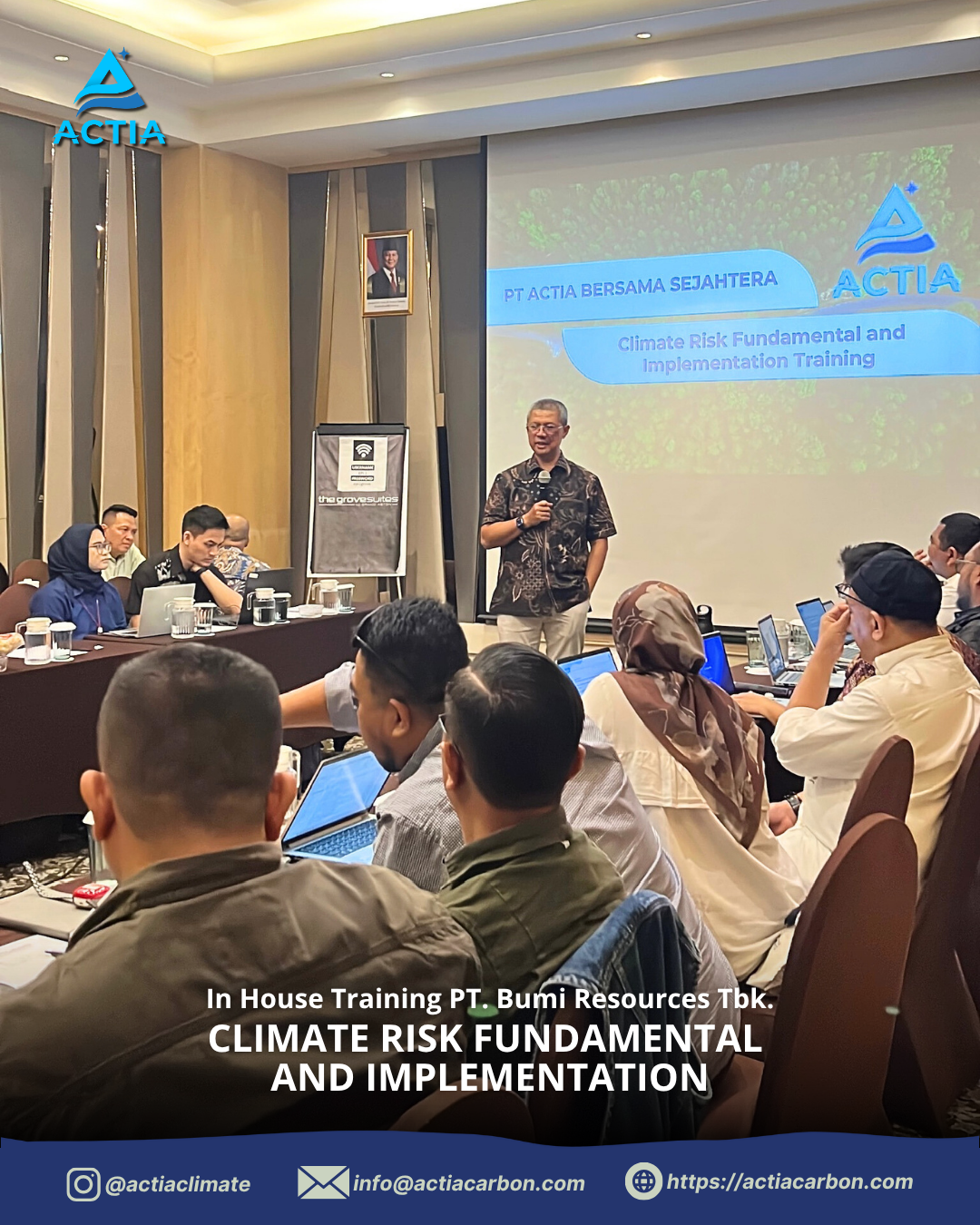
During this two-day intensive training, you will be guided directly by experts to thoroughly explore various aspects of climate risk, including:
  • Climate Change Fundamentals
  • Climate Risk Management Frameworks
  • Identification and Assessment of Physical and Transition Risks
  • Development of Mitigation and Adaptation Strategies
  • Climate Risk Disclosure and Reporting
  • Case Studies and Best Practices in Climate Risk Management

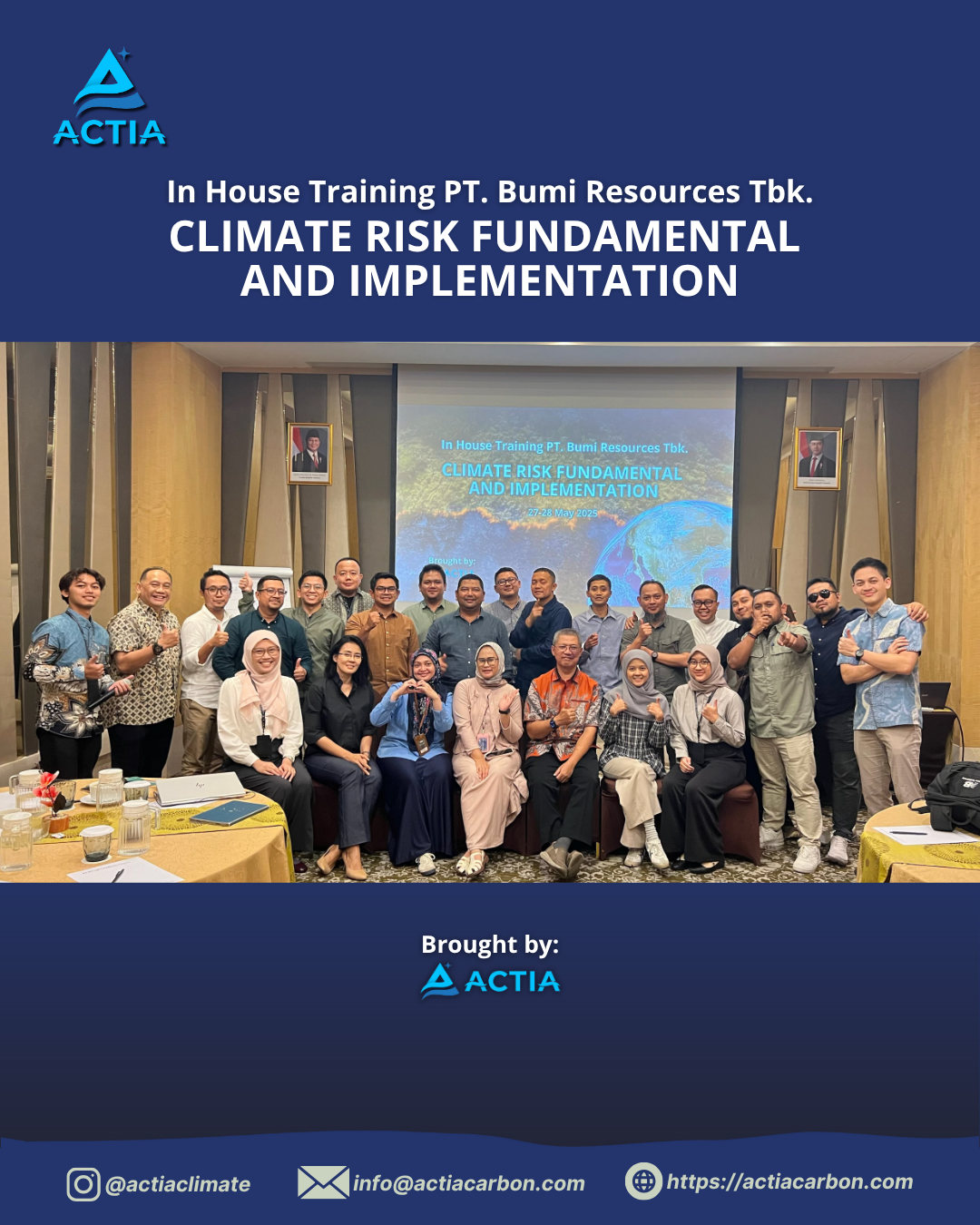
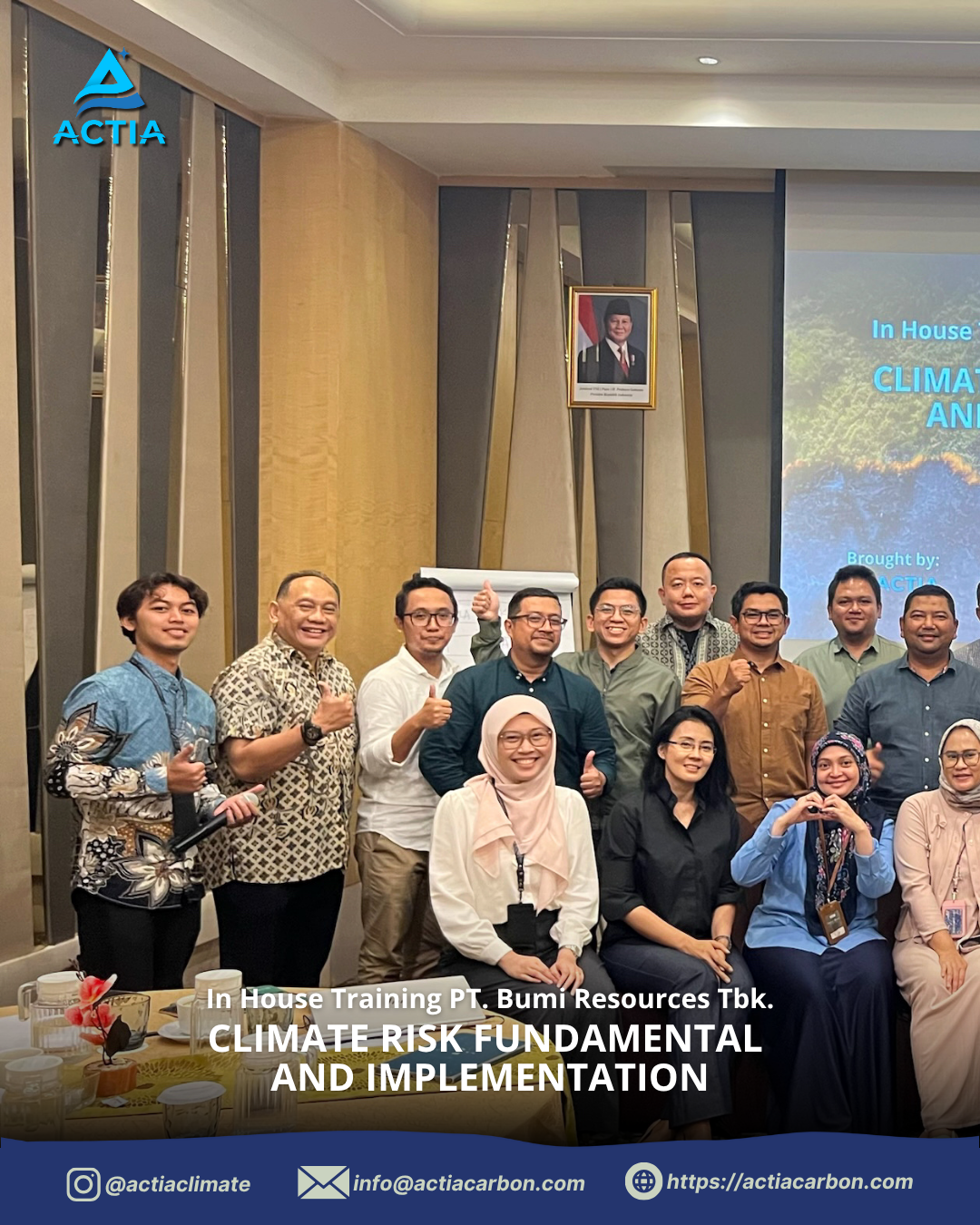
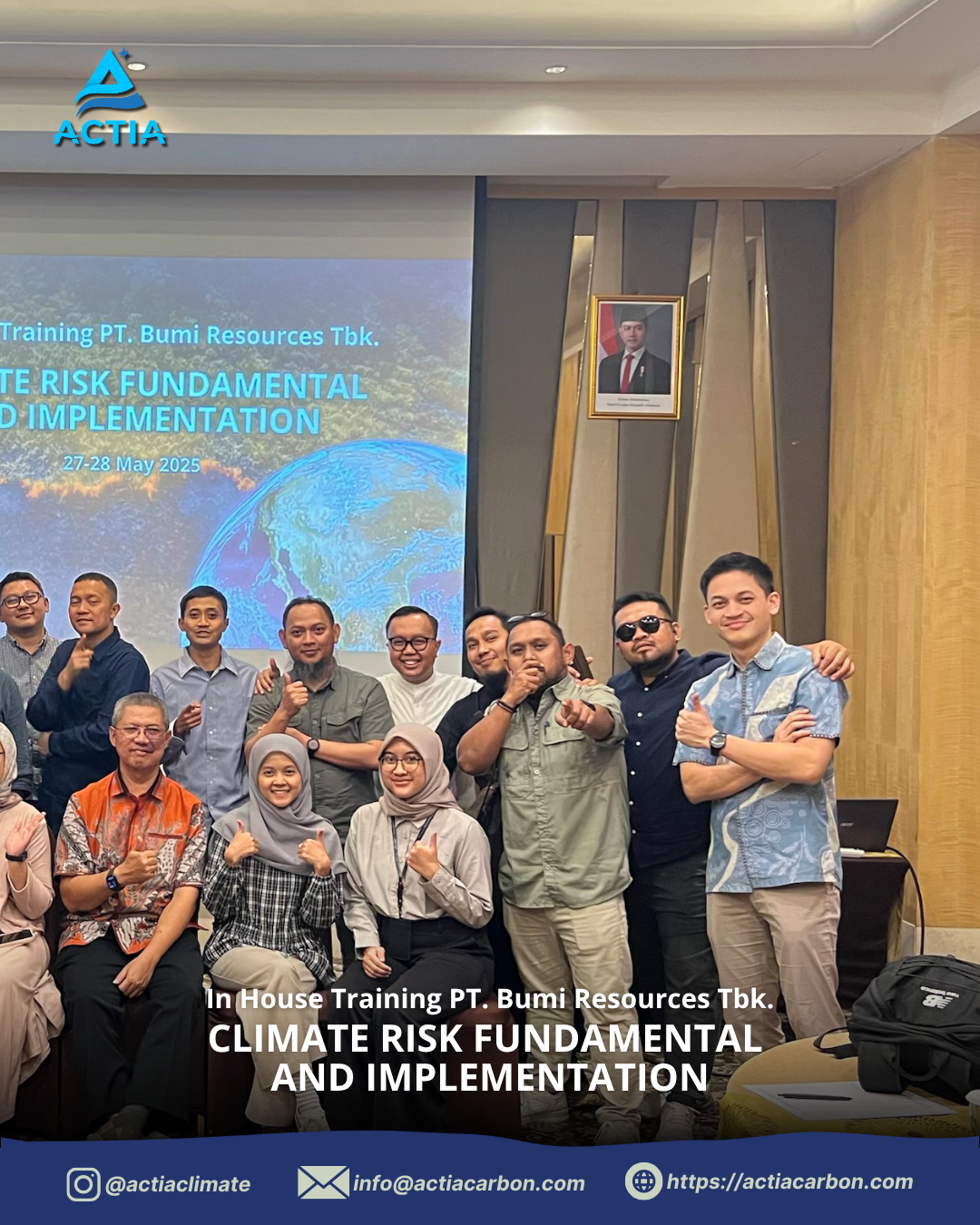
Activity Highlight: Concrete Action to Tackle Climate Change

Don't delay any longer—secure your spot now!

Space for this Climate Risk training is limited. Register yourself and your team now to ensure your company is prepared to face the challenges and opportunities of the climate change era.