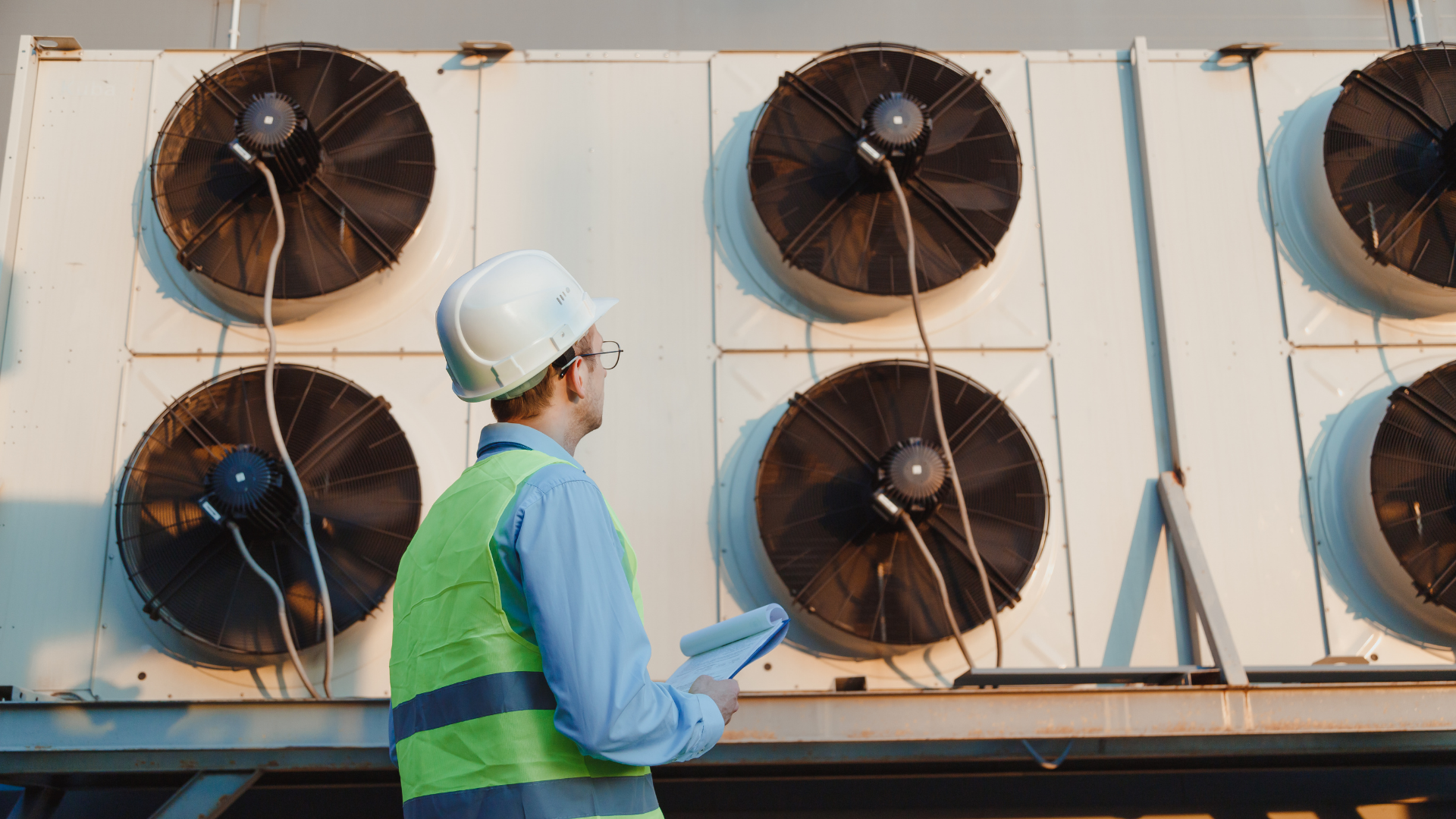
Facilities utilizing water-cooled chillers, steam condensers, or shell-and-tube heat exchangers frequently encounter a gradual issue: fouling. Thin deposits inside condenser tubes—such as mineral scale, biofilm, fine silt, or corrosion products—impair heat transfer. While the equipment continues to operate, it must work harder to deliver the same capacity, leading to a gradual rise in electricity costs.
An anti-fouling condenser system addresses this challenge. It offers a strategy to maintain stable condenser performance, thereby keeping electricity consumption under control, reducing the risk of operational disruptions, and demonstrating the effectiveness of energy efficiency initiatives.
What is an Anti-Fouling Condenser System (AFCS)?
An Anti-Fouling Condenser System (often abbreviated as AFCS) is a system designed to prevent and/or remove fouling in condensers, thereby inhibiting the buildup of deposits. Implementation methods may vary depending on equipment design and water quality.
The AFCS is designed to keep condenser tubes clean automatically and continuously while the machinery is in operation. Unlike manual cleaning methods that require a system shutdown, the AFCS operates within the system in real-time. One of the most common technologies used is the Automatic Ball Cleaning System.
This system circulates specialized cleaning balls into the cooling water flow. As they pass through the tubes, the balls sweep the inner walls, removing soft deposits and microorganisms before they can harden into scale.
Why does fouling lead to wasted electricity?
The condenser serves as the heat rejection point. When pipe surfaces become coated with deposits, thermal resistance increases and heat transfer efficiency drops. In chillers, this condition often manifests as an increased “condenser approach” (the temperature difference between the condensing refrigerant and the cooling water) and higher operating pressures. In steam turbine condensers, fouling can degrade vacuum conditions—thereby raising condensing pressure—which in turn reduces turbine performance.
Furthermore, deposits increase pressure loss on the cooling water side, resulting in a higher pump load. Performance studies indicate that an increase in the fouling factor correlates with a decline in power plant output and thermal efficiency. Even in chillers, a very thin layer of fouling can cause a significant drop in efficiency.
Early signs of condenser fouling
Common indicators that appear before the problem escalates include a rise in approach temperature, increased compressor or pump pressure and electrical current, and a growing need for chemical cleaning. If left unaddressed, performance will deteriorate rapidly.
In which industries and locations are Anti-Fouling Condenser Systems typically used?
AFCS (Anti-Fouling Condenser Systems) are most relevant for facilities with high cooling or condensing loads and fluctuating cooling water quality, such as:
Power plants: steam turbine condensers (using seawater, river water, or cooling towers).
Refineries, petrochemical, and chemical processing plants: shell-and-tube exchangers for utility and process applications.
Manufacturing (food & beverage, cement, pulp & paper, etc.): process cooling requiring temperature stability.
If the condenser is a critical utility point, fouling is almost certainly a “hidden cost” that needs to be controlled.
What are the consequences of not using this system?
Many companies only perceive fouling as a “problem” once electricity costs rise or operational capacity drops. Common consequences include:
1) Increased energy consumption, as machinery operates at suboptimal pressures or temperatures.
2) Reduced capacity, making it difficult to meet demands during peak hours.
3) Higher downtime and maintenance costs due to the need for more frequent major cleaning operations.
4) Increased risk of damage: deposits can trigger under-deposit corrosion and raise the likelihood of tube leaks.
5) A larger emissions footprint: as energy consumption rises, indirect emissions associated with electricity usage typically increase as well.
The connection to energy conservation in Indonesia
Energy conservation is governed by a regulatory framework that includes Government Regulation (PP) No. 70 of 2009 on Energy Conservation and the Ministry of Energy and Mineral Resources (ESDM) Regulation No. 14 of 2012 on Energy Management. For large-scale energy users (exceeding specific thresholds), these regulations mandate energy management practices such as appointing an energy manager, developing programs, conducting periodic energy audits, implementing recommendations, and submitting reports.
While AFCS is not explicitly mandated by name, condenser and chiller performance is almost always a priority area during energy audits due to its direct impact on electricity consumption and operational reliability.
In general: electricity consumption, cooling water inlet/outlet temperatures, flow rate, and cleaning history. If data is incomplete, one can start with a quick survey to establish a baseline incrementally.
The magnitude depends on initial conditions (fouling level), water quality, operating hours, and maintenance discipline. Therefore, baselines and M&V are essential to ensure accurate claims.
We help identify sources of fouling and calculate their impact on electricity consumption, then formulate anti-fouling condenser system recommendations tailored to water conditions and operational needs—ensuring energy efficiency gains are reflected in actual figures, not just assumptions.